

 13:39
|
13:39
|
 १८:२४
१८:२४ Sanyukta Shrestha Champions Nepalese Heritage at London Climate Week



LONDON, UK, 27.06.2026 – Internationally acclaimed Nepalese sustainable fashion designer Sanyukta Shrestha has captivated global leaders, climate advocates, and parliamentarians by putting Nepalese indigenous craftsmanship at the heart of London Climate Action Week (LCAW).
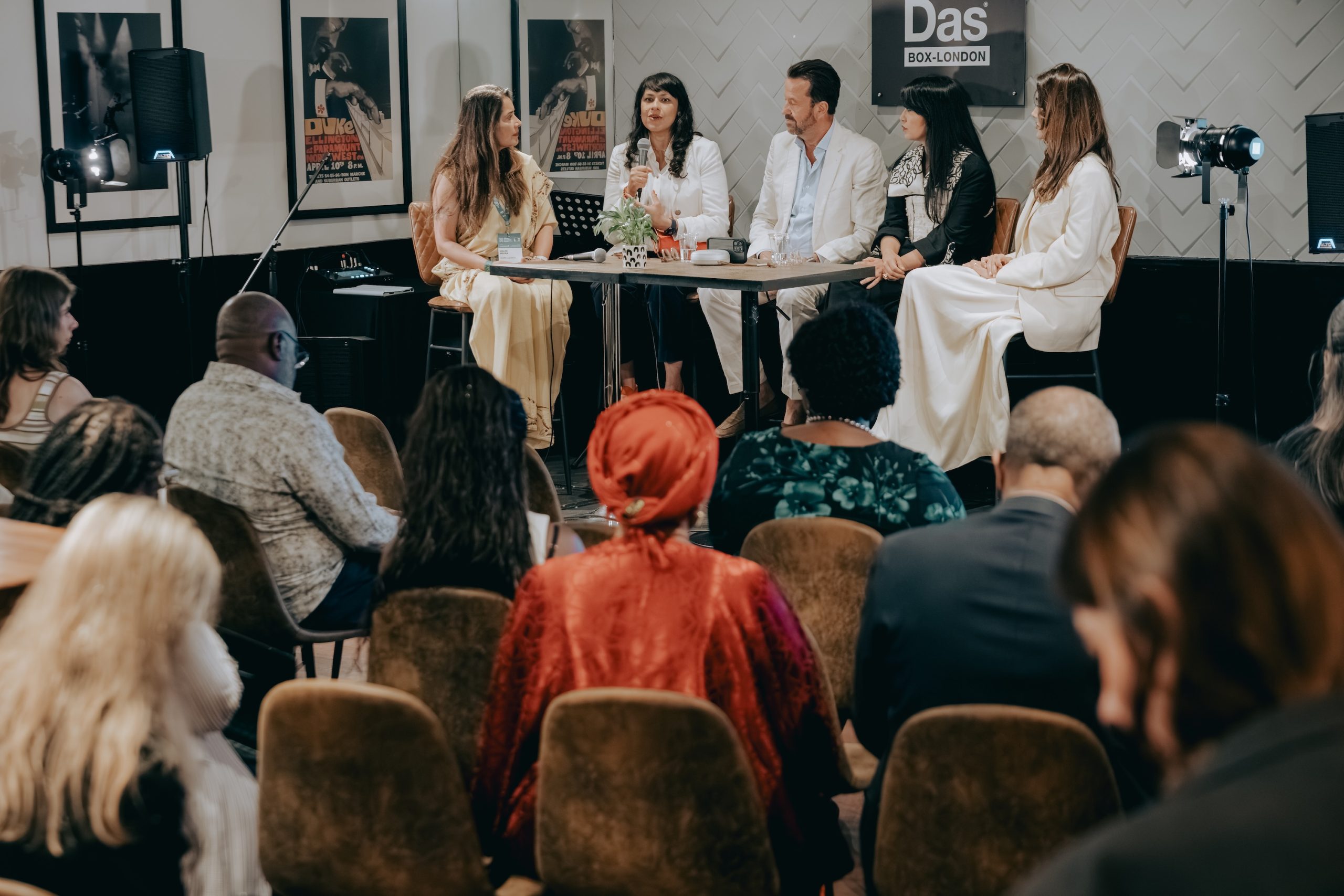
Speaking at the official high-profile launch of the Zero Waste Hub at Hill House ahead of the ‘Road to Antalya COP31’, Shrestha drew upon her remarkable 25-year-plus journey to deliver a powerful roadmap bridging traditional Nepalese heritage with modern material innovation.
The prestigious launch event served as a crucial milestone on the “Road to Antalya COP31” and featured the exclusive unveiling of the King of Sustainability portrait of HM King Charles III, made entirely from waste materials. This set an authoritative tone for LCAW, which has officially become one of the world’s largest independent climate action events.
Taking the stage, Shrestha addressed the staggering scale of the global waste crisis with fierce clarity, using an apt analogy to urge the industry to confront the root cause of overproduction: “The fashion industry is producing over 100 billion garments every single year, yet less than 1% of it is recycled. We currently have enough clothing on this planet to clothe the next six generations. We cannot solve this crisis by simply trying to fix the kitchen tap while the main issue is on the main supply pipe,” Shrestha stated during the panel.
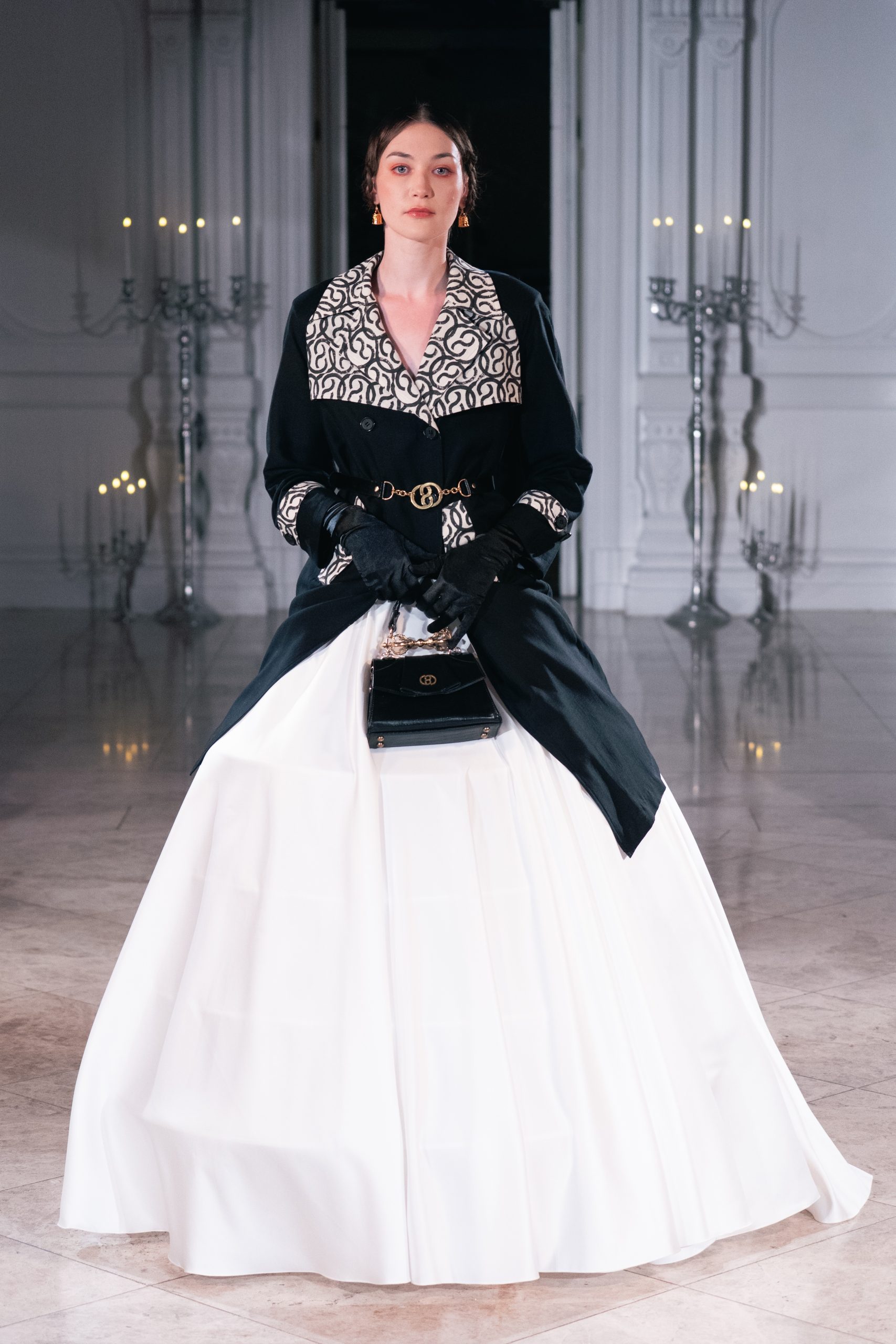
Embodying her philosophy, Shrestha graced the event in an SS25 Vajrayana ensemble—a blueprint of zero-waste ancestral wisdom and South Asian heritage craft. The black-and-ivory silhouette was hand-spun and hand-woven from organic bamboo and organic cotton, featuring monogram prints applied using traditional hand-block techniques by women in rural Nepal. Fusing heritage with science, the design featured an embedded corset made from raw organic cotton and apple-leather (agro-waste). The look was completed with a handcrafted handbag made from mango-leather (agro-waste), finished with a brass Vajra handle hand-carved by smiths in Kathmandu, preserving a 1,000-year-old Newari craft that combines innovation, biodiversity, women’s empowerment, and spiritual heritage.
“Indigenous communities have always been the guardians of nature, heritage, and craft,” Shrestha reflected. “We have endured 90 years of plastic pollution that has completely disrupted our relationship with the Earth. But we don’t have to look back thousands of years for the answer—only 100 years ago, our global ecosystem was fully circular. We must look to the wisdom of our ancestors, who understood that true circularity is born from harmony, not destruction.”
Shrestha’s profound dedication to redefining waste is vividly illustrated by her historic design preserved in the prestigious Fashion Museum Bath. Fourteen years ago, when “sustainability” was still an alien word in the UK fashion vocabulary, Shrestha was already leading the education on circularity, creating a “waste to wonder” couture gown entirely handcrafted from 30-year-old newspapers she discovered hidden under a floorboard. By transforming literal refuse into a museum-worthy masterpiece, she ignited a vital, ongoing industry conversation, urging the world to radically shift its mindset and view waste not as trash, but as a catalyst for boundless luxury and artistic wonder.
Concurring with Fashion Hub LCAW convener Malini Mehra (CEO of GLOBE International—the Global Legislators Organisation of cross-party parliamentarians), Shrestha stood in solidarity with fellow esteemed panelists Geoff van Sonsbeeck (CEO of B Corp fashion brand House of Baukjen), Amanda Johnston (CDO of The Sustainable Angle), Merve Kardaş Mısırlı (Founder of Turkish fashion house Normaillot), and Shailja Dubé (IPF lead at the British Fashion Council).
Uniting their diverse expertise across industry accountability, ethical design, policy advocacy, and community impact, they demonstrated that when innovation, ancestry, and empathy converge, a collective and genuinely restorative future for global fashion is entirely within reach. Shrestha continues to pave the way toward COP31, proving that sustainable luxury can simultaneously heal the environment while driving vital socio-economic empowerment.



सम्बन्धित सामग्रीहरू



हाम्रो सिफारिस



- १
- २
- ३
- ४
- ५