

 13:36
|
13:36
|
 १८:२१
१८:२१ Two Conversations About the Future: A 35-Hour Journey to Los Angeles


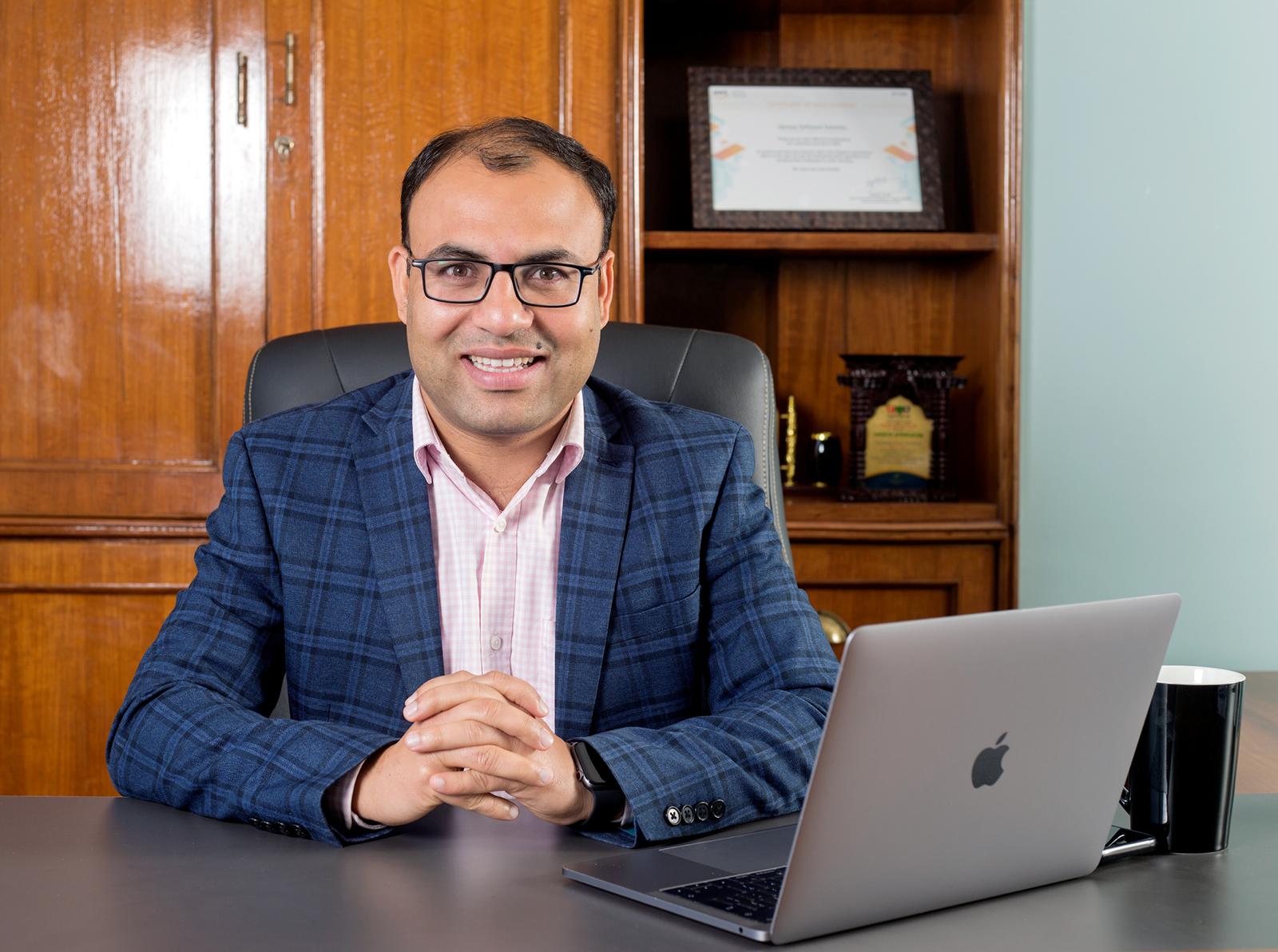
By Anjani Phuyal
After AWS Ambassador Global Summit Seattle 2026, I had a choice.
I could take a three-hour flight to Los Angeles for AWS Summit Los Angeles.
Instead, I boarded an Amtrak train.
35 hours.
More than 1,300 miles.
At the time, I thought I was simply choosing a different way to travel.
Looking back, I was stepping into one of the most fascinating classrooms I have ever experienced.
I boarded the train thinking I’d spend 35 hours catching up on emails, reviewing notes from the summit, and planning upcoming meetings.
Instead, I spent most of it listening.
The Observation Car
The observation lounge quickly became my favorite place on the train.
With panoramic windows stretching across both sides of the carriage, it offered uninterrupted views of mountains, forests, rivers, coastlines, and cities as they passed by.
For hours, passengers sat quietly watching the landscape unfold.
In a world filled with notifications, deadlines, and constant digital distraction, there was something refreshing about simply observing.
The scenery was spectacular.
But the most remarkable views weren’t outside the train.
They were inside it.
The Dining Car
Three times a day, passengers gathered in the dining car for breakfast, lunch, and dinner.
The crew had a simple habit: they seated strangers together.
No algorithms.
No recommendation engines.
No social graphs.
Just empty seats and curiosity.
What started as casual introductions often became conversations that lasted far beyond the meal.
By the time we reached California, some of the faces in the dining car had become strangely familiar.
Over 35 hours, I shared tables and stories with an extraordinary collection of people: a Coast Guard officer, a professional interpreter, a violinist, an entrepreneur who started a technology business later in life, a woman from the Navajo Nation, and a second-generation Chinese American who had never visited China yet remained deeply curious about his roots.
People whose paths I would likely never have crossed in my normal professional life.
Two Conversations About the Future
Just days earlier in Seattle, I had been surrounded by some of the world’s leading cloud architects, AI practitioners, startup founders, and technology leaders at the AWS Ambassador Global Summit.
The conversations there focused on what technology can do.
On the train, the conversations focused on what people hope it will do.
Both conversations were about the future.
They were simply looking at it from different perspectives.
Not through AI models.
Not through cloud architectures.
Not through keynote presentations.
But through hopes, concerns, identities, opportunities, and lived experiences.
One moment in particular has stayed with me.
Watching the Pacific Ocean roll past outside the observation car, I found myself discussing heritage, identity, and culture with a woman from the Navajo Nation.
As the coastline unfolded beyond the glass, our conversation moved quickly from geography to identity, heritage, and what we choose to pass on to future generations.
She shared a thought that has stayed with me ever since:
“Technology changes quickly, but people still need to know where they come from.”
After a week with some of the world’s leading AI experts, the conversation that stayed with me most came from someone who never mentioned AI at all.
The Technology May Differ
As someone building technology businesses across countries and cultures, I realized how universal these conversations really are.
Whether in Seattle, Los Angeles, Kathmandu, Dhaka, Lagos, London, or countless other communities around the world, people are asking many of the same questions:
Where do we belong?
What do we pass on to the next generation?
What kind of future are we creating?
The settings may change.
The cultures may differ.
The technologies may evolve.
Yet one thing remains remarkably consistent:
The technology may differ.
The human questions rarely do.
One Final Reflection
As leaders, engineers, founders, and builders, we spend a great deal of time discussing what we are building.
This journey reminded me to think more deeply about who we are building it for.
Seattle taught me about the future of technology.
The journey to Los Angeles reminded me about the future of people.
Between two AWS summits, I expected to learn more about cloud computing, AI, and innovation.
Instead, I learned something about people.
I left with a deeper appreciation for the conversations we don’t usually make time for.
The future is often described as a technology challenge.
After 35 hours on a train, I’m convinced it’s equally a human one.
Because while technology continues to evolve, the human questions rarely change.
(Anjani Phuyal is a technology entrepreneur and policy advocate working at the intersection of cloud, AI, and digital resilience in emerging economies. He is the Founder & CEO of Genese Solution, a UK-headquartered firm operating across Asia, Africa, and Europe. An AWS Ambassador and ecosystem builder, he leads initiatives including AWS User Group Nepal, Women in Big Data Nepal, and Girls in Tech Nepal.)



सम्बन्धित सामग्रीहरू


हाम्रो सिफारिस



- १
- २
- ३
- ४
- ५