

 10:20
|
10:20
|
 १५:०५
१५:०५ Nepal Festival 2026 held in Bonn with Diverse Programmes

Germany– The Nepal Festival (Nepal Tag), organized annually by the German-Nepal Friendship Association, was successfully held this year in the city of Bonn, Germany, featuring a variety of programmes and discussions.
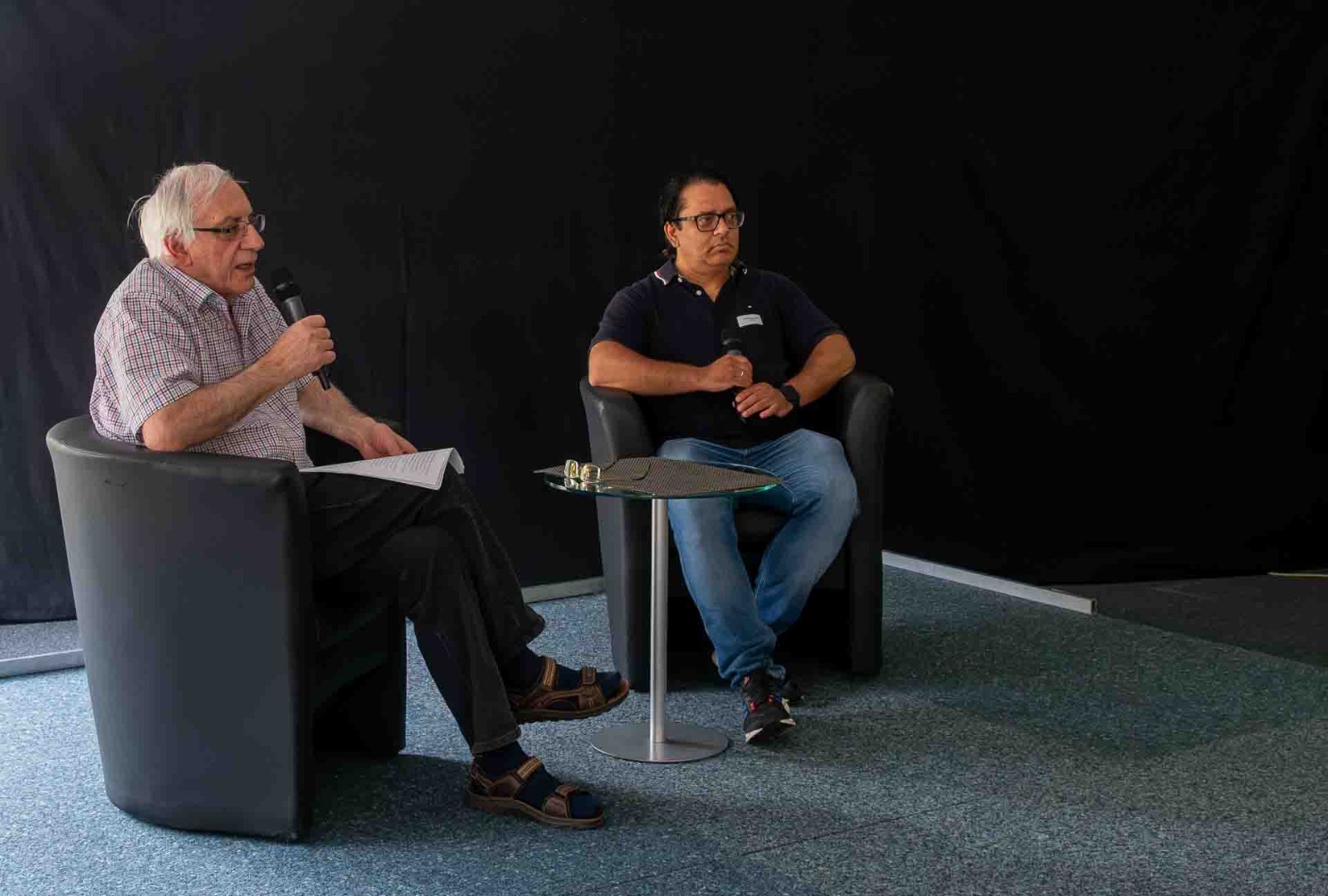
The festival provided a platform for in-depth discussions on Nepal’s current political situation, the changing political environment following the democratic movement, and various aspects of Nepal-Germany cooperation.
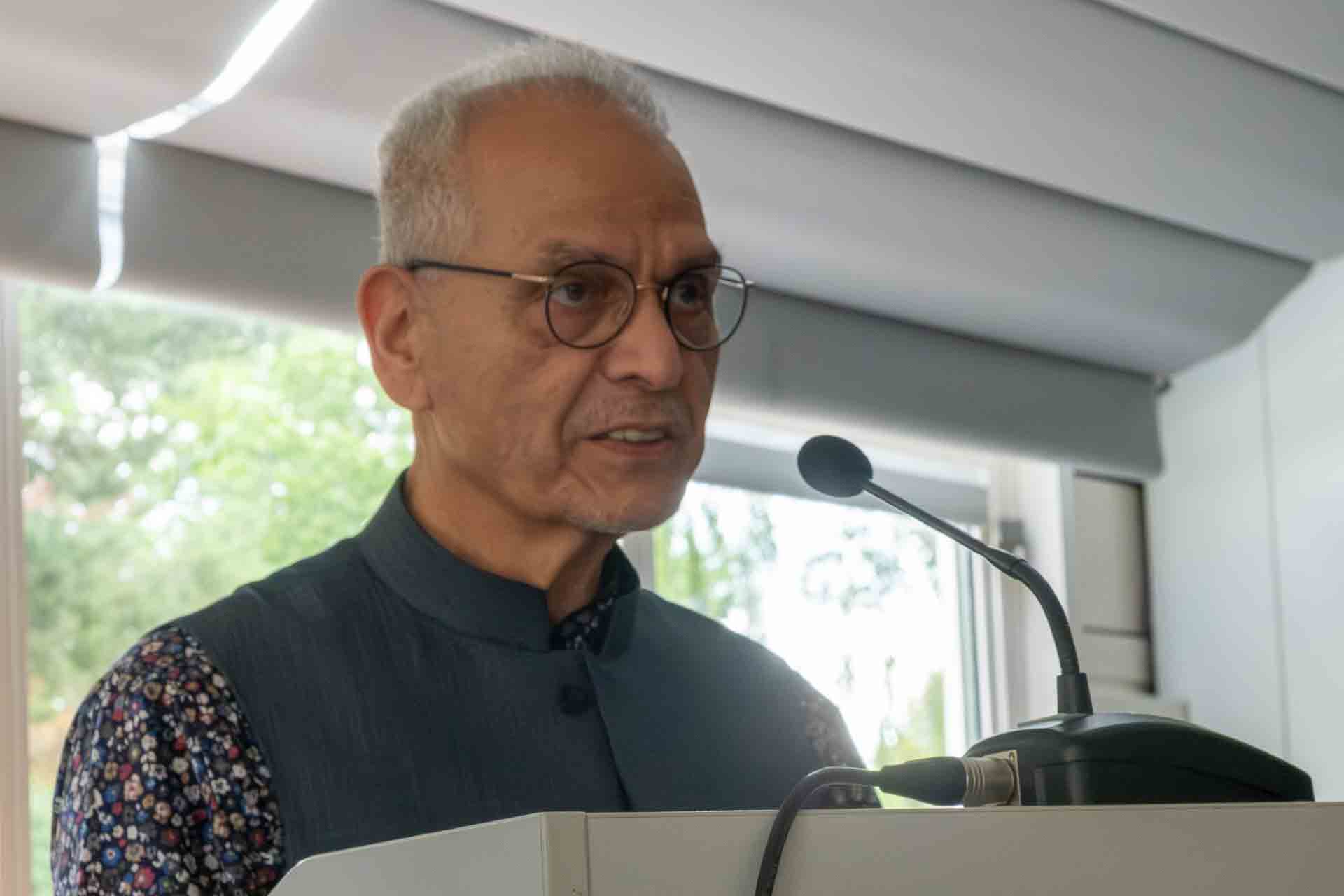
The event was inaugurated by the President of the German-Nepal Friendship Association, Ram Pratap Thapa followed by a musical video by Ms Ani Choying Drolma that prayed for peace and welfare for all.
Welcoming the participants, Thapa stated that the German-Nepal Friendship Association has been working for nearly four decades to strengthen the friendly relations and partnership between Nepal and Germany. He noted that these efforts have been successful with the support of both the German government and non-governmental sectors.
During the programme, German organisations working in various sectors in Nepal presented progress reports on their activities and unveiled detailed plans for future development projects in the country. The proposed initiatives focused particularly on education, healthcare, and the development of remote regions of Nepal.
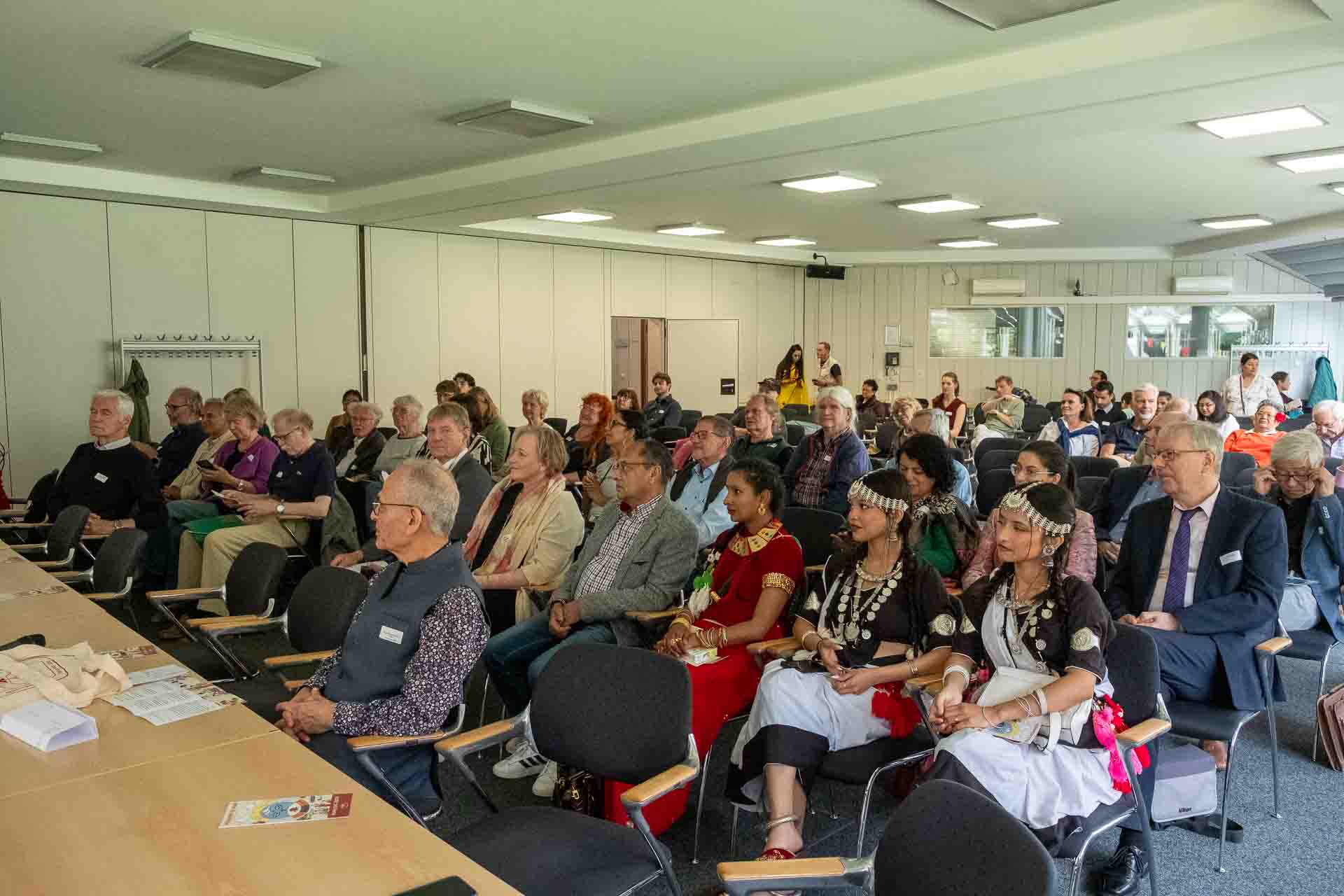
Participants discussed ways to make programmes being implemented in Nepal’s schools, health posts, and remote villages more effective and sustainable. They also exchanged ideas and experiences on mobilising the resources and financial support required for such projects.
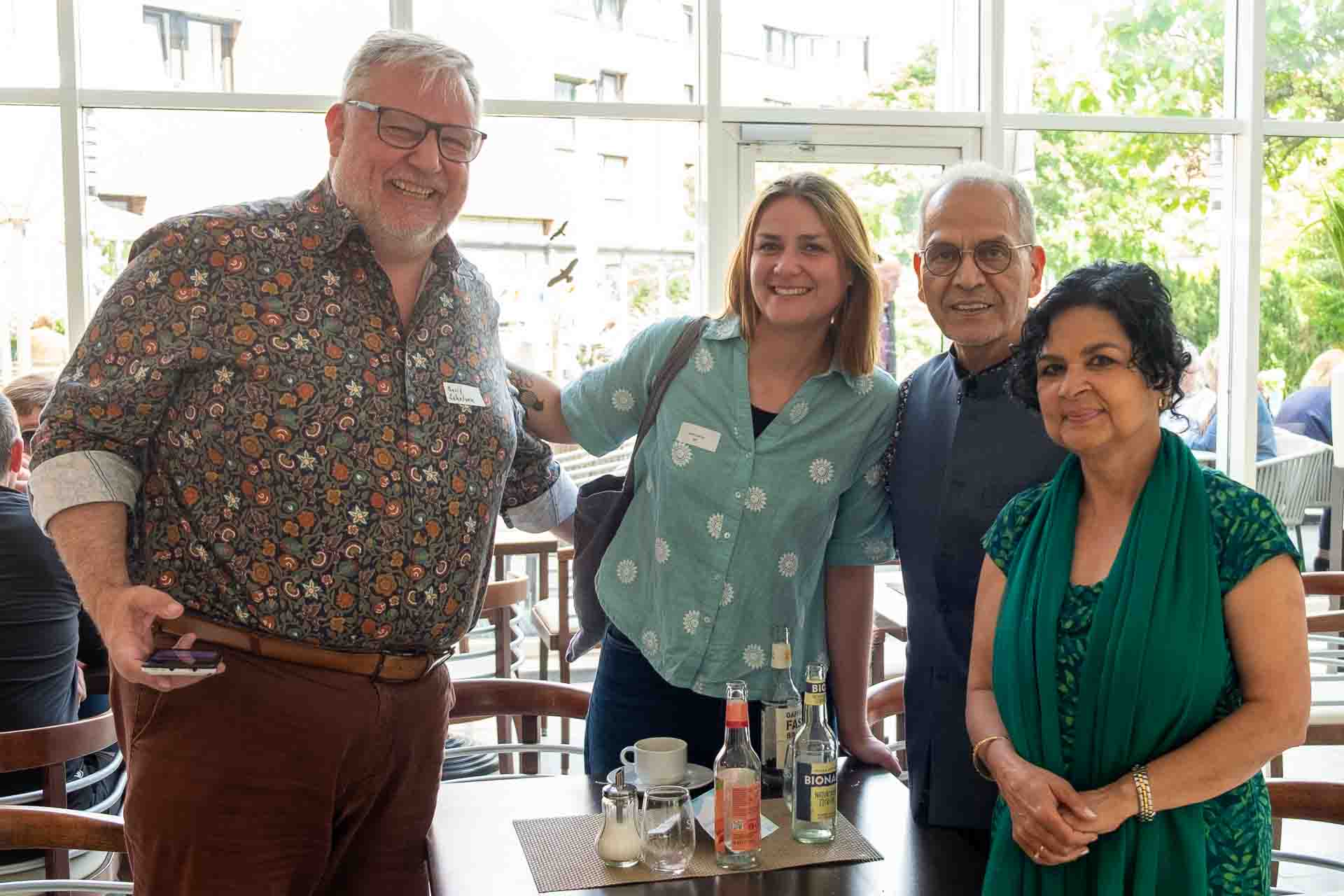
The festival witnessed notable participation from former ambassadors, German and Nepali experts, development practitioners, and specialists who have long been associated with Nepal in different capacities. They shared their views on how development cooperation could be made more effective in Nepal’s current context.
Showcasing Nepal
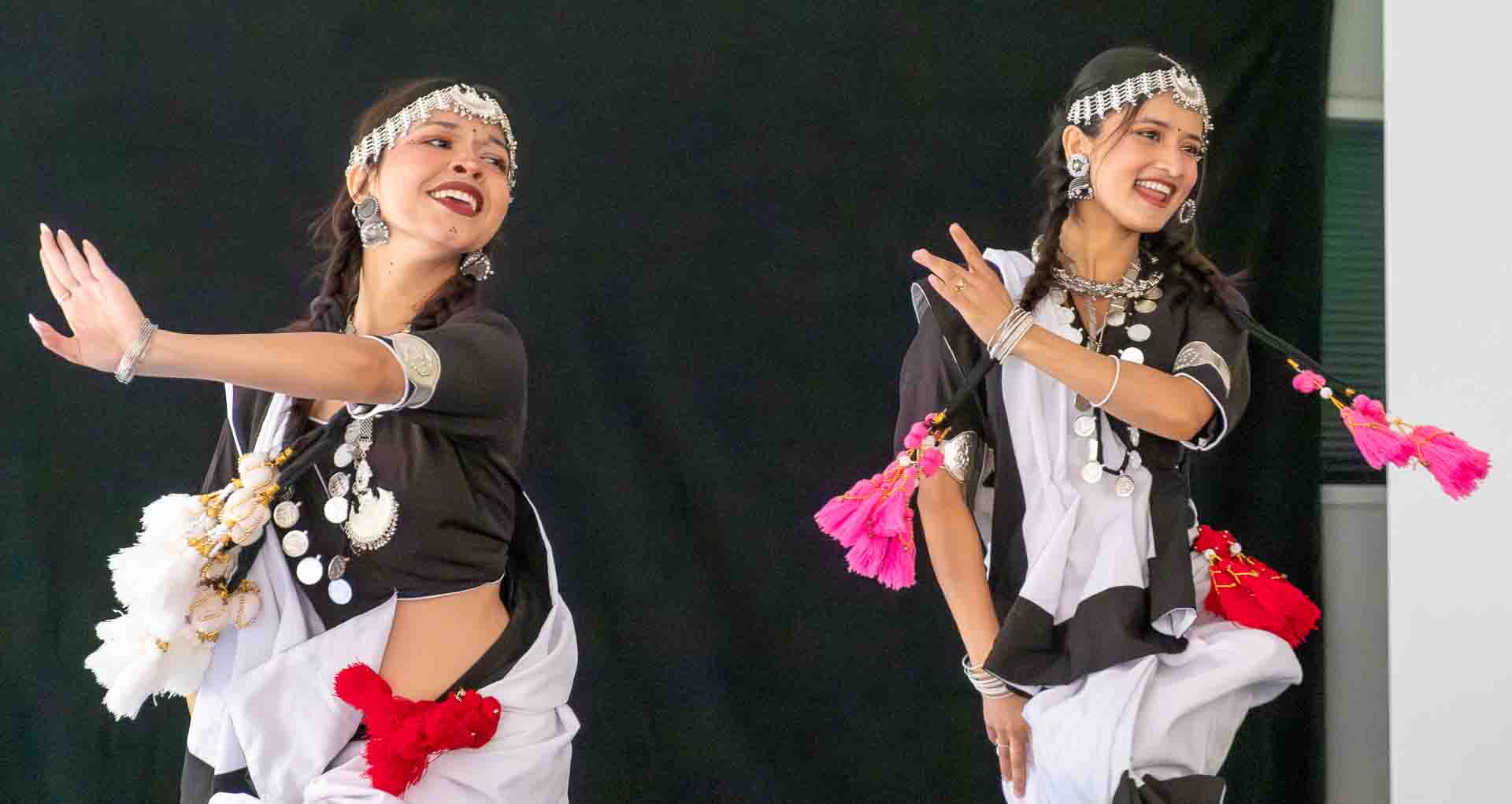
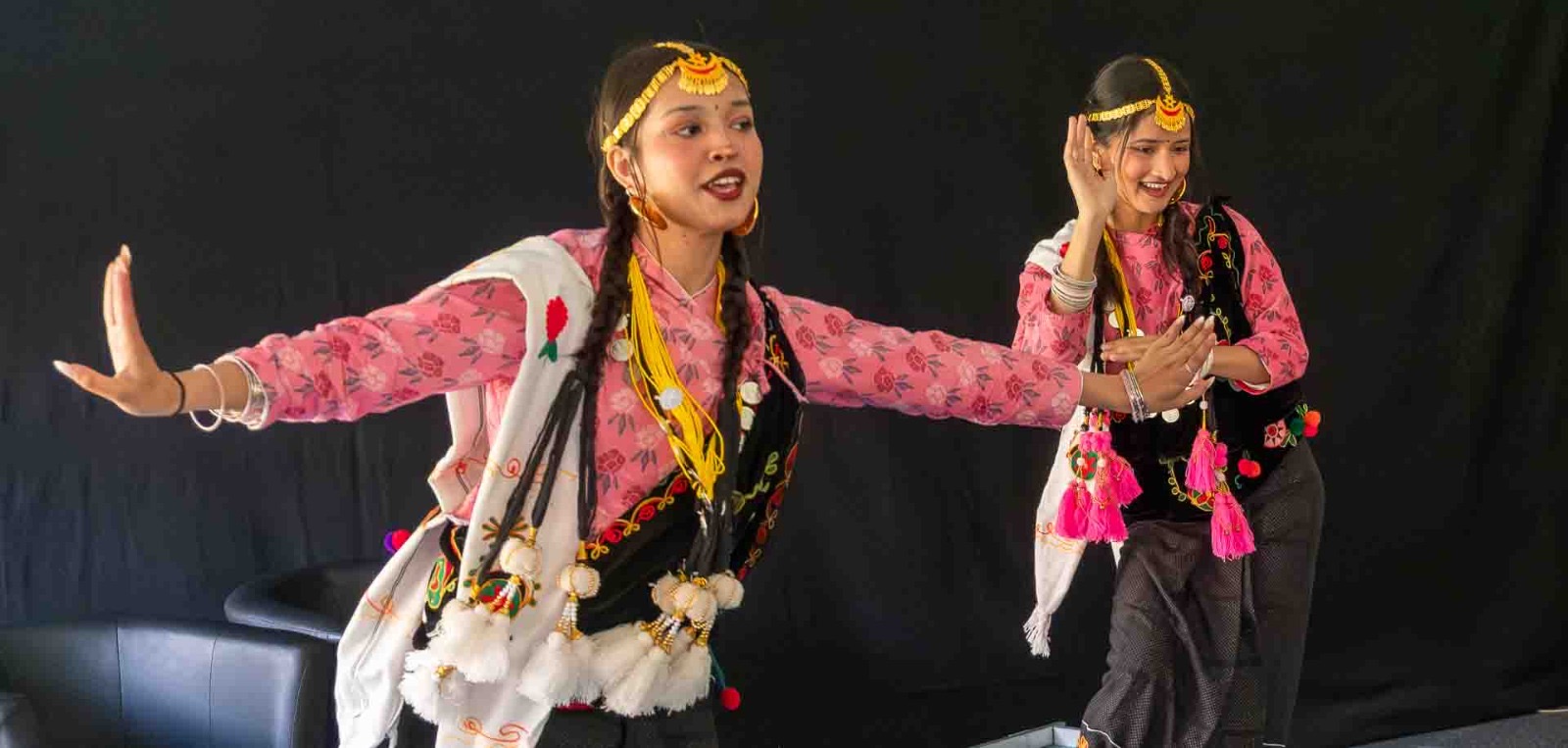
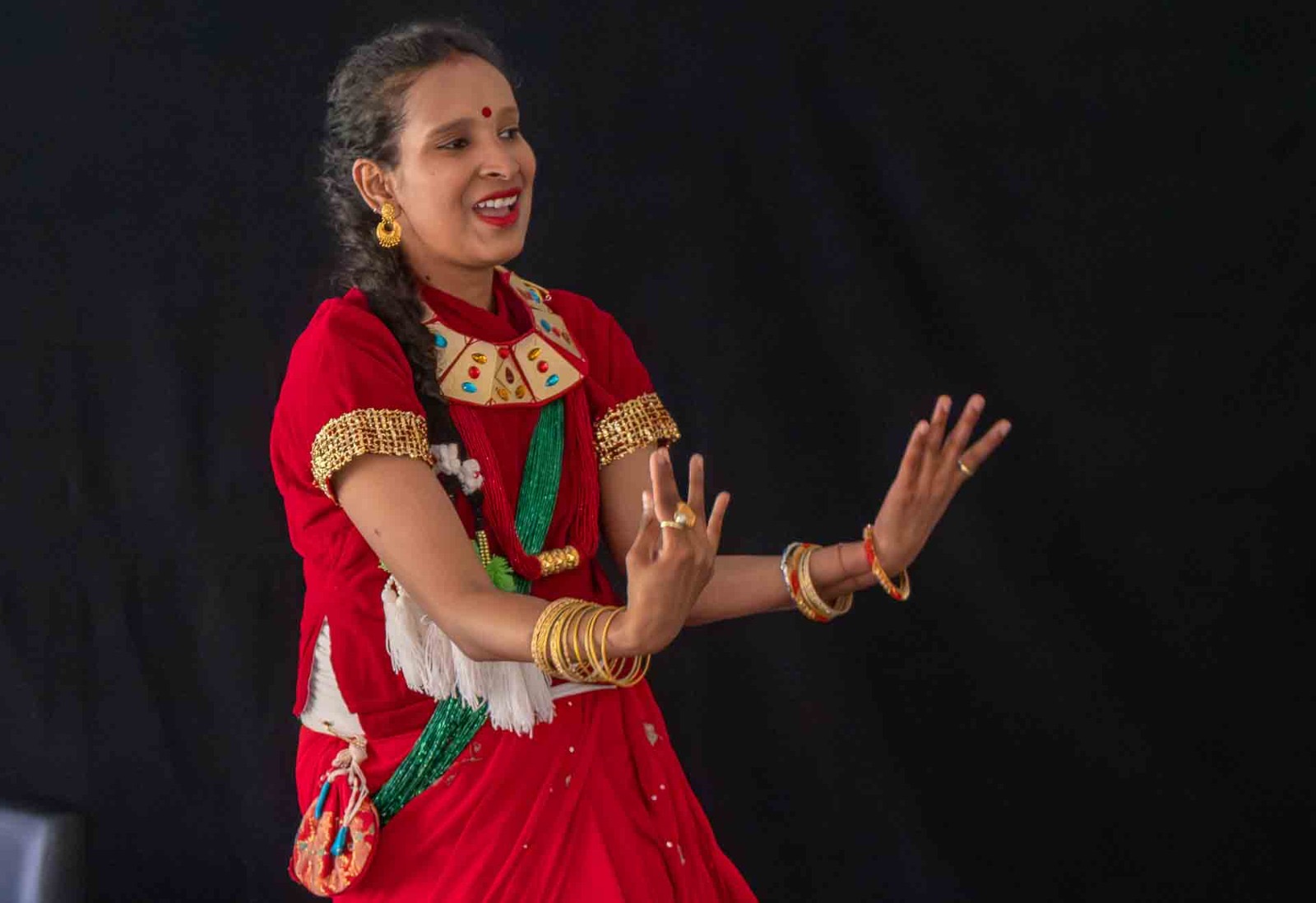
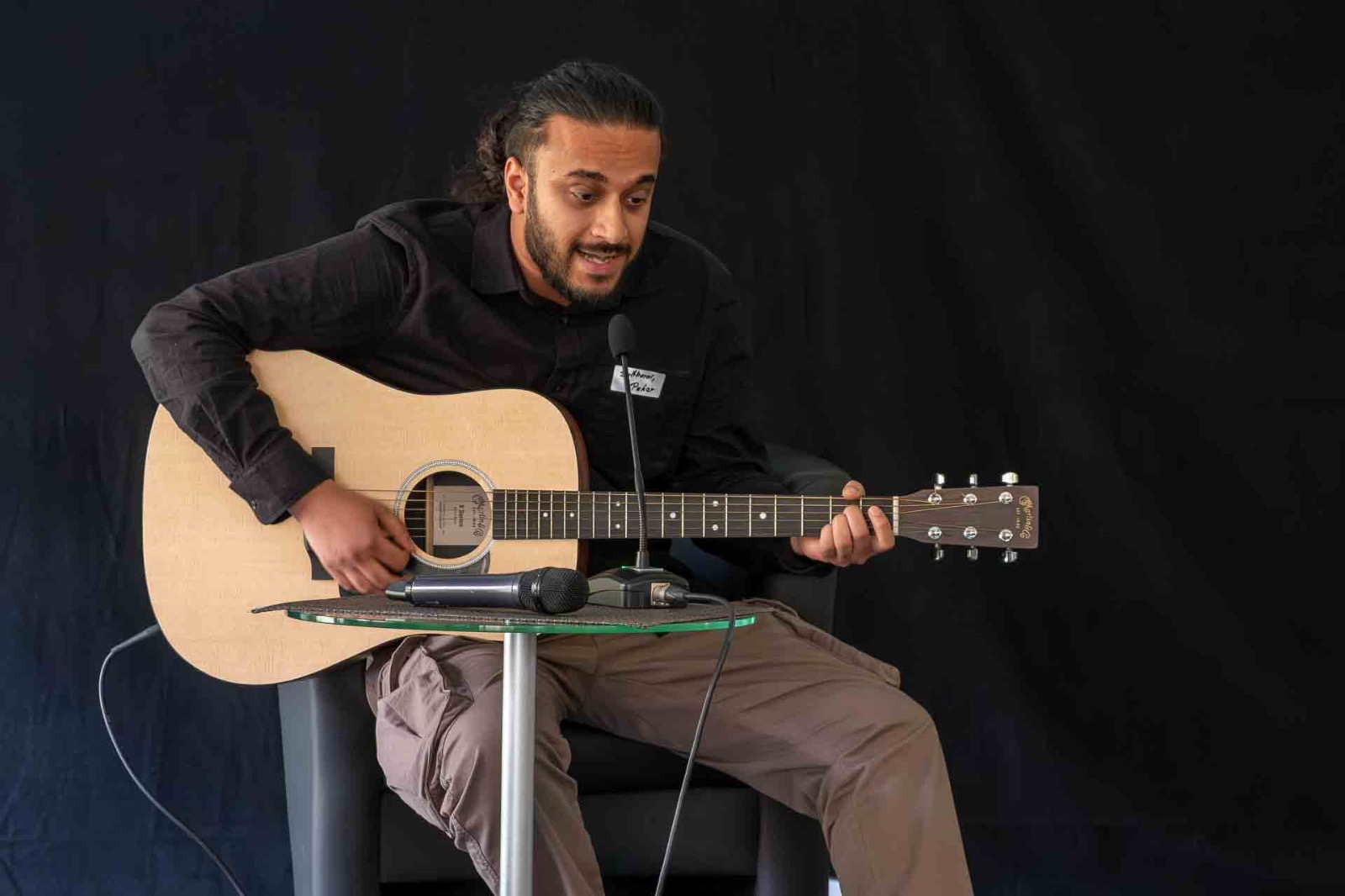
Cultural activities were also given special priority. The programme featured colourful Nepali tableaux, traditional folk dances, and musical performances aimed at introducing Nepal’s rich art, culture, and traditions to the international community. These presentations attracted considerable interest from the audience.
Young members of the Nepali community also participated actively, sharing their experiences, ideas, and aspirations. They highlighted the important role that the younger generation can play in further strengthening Nepal-Germany relations.
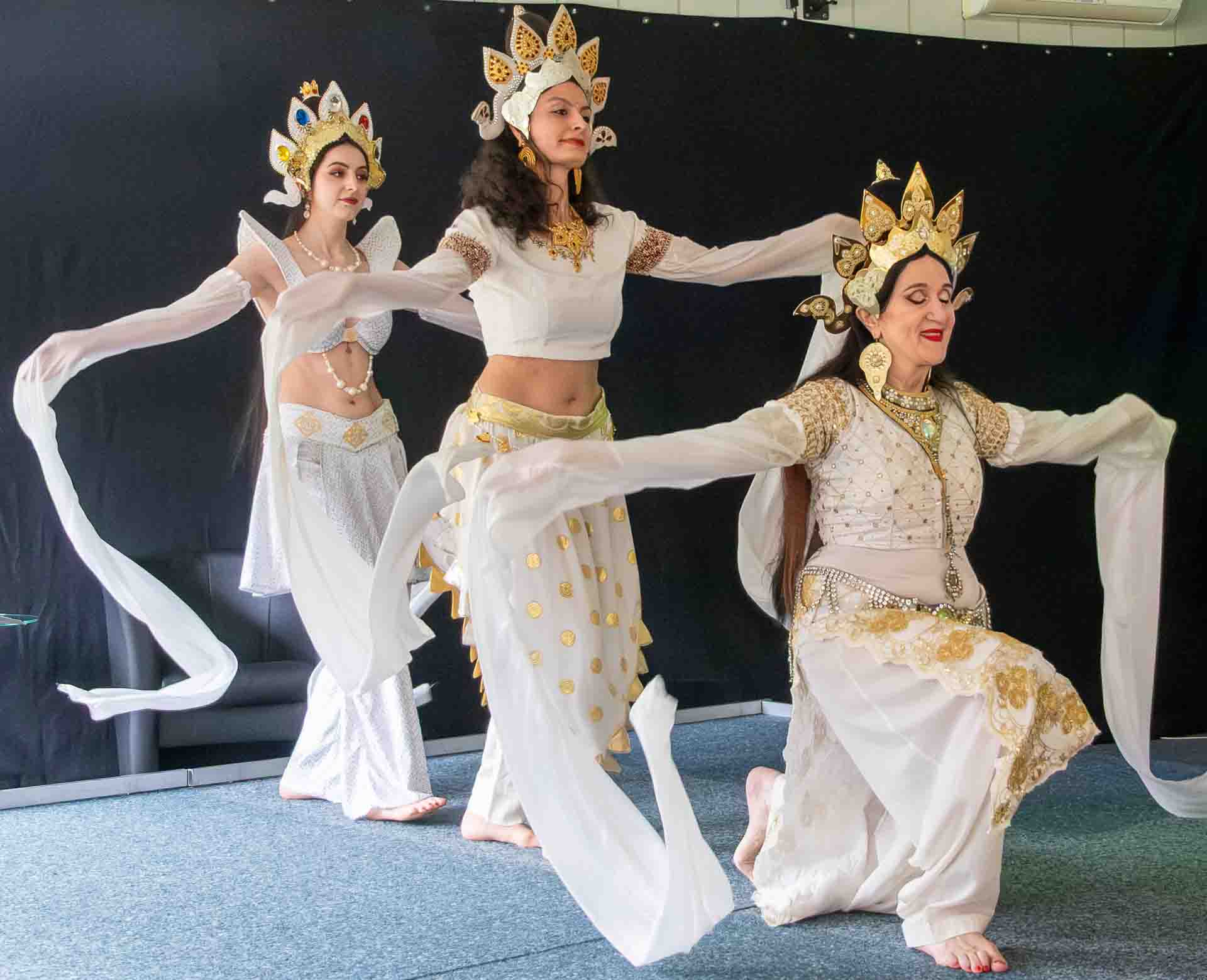
The Nepal Festival, celebrated annually, aims to further enhance friendship, development cooperation, and cultural exchange between Nepal and Germany.
As part of the discussion sessions, Dr. Karl-Heinz Krämer and Prof. Dr. Pushparaj Joshi spoke on Nepal’s political deadlock and prospects following the Jana Andolan (People’s Movement). Rainer Strauss delivered a presentation on reforms in Nepal’s education system, while Elke Brausch-Humes shared her experiences of teacher training programmes in Nepal. Sima Dhungana presented an analysis of Nepali literature in Germany.
Similarly, Dr. Arne Drews discussed health, culture, and healthcare services; Dr. Frank Seiler of Nepal Aid highlighted the need to rethink development projects in Nepal from a new perspective; Impress Singh spoke on art and culture in the diaspora; Simon Schnurrer presented on electricity networks connecting mountain villages; and Sophia Kaiser discussed the theme of identity in Nepali painting.
Yoga instructor Om Sharma conducted a session on yoga and meditation, including practical exercises. The cultural programme also featured performances of Nepali folk dances by Nepali artists, a Vajrasattva Mantra Dance by Shahrajad Tara Taib, and a documentary on handcrafted bronze bowls produced by Uwe Luck.


सम्बन्धित सामग्रीहरू
हाम्रो सिफारिस

- १
- २
- ३
- ४
- ५