

 12:25
|
 १८:१०
Nepal: A Fairy Tale from Afar, a Reality Up Close



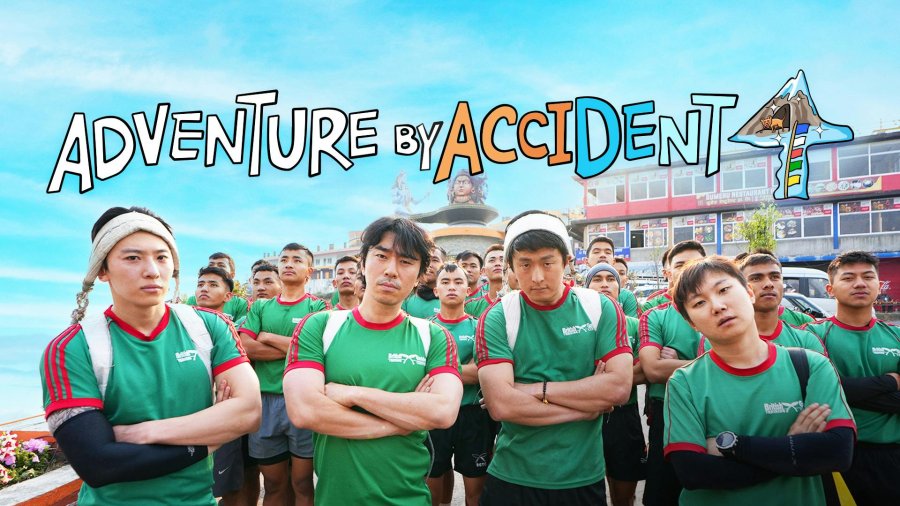
Adventure by Accident is a Korean travel‑variety show aired on MBC and available on Netflix Korea. Now in its fourth season, the show features the original cast members Kian84, Lee Si-eon, PaniBottle, and Dex, who explore remote and culturally rich regions around the world. Each season focuses on a natural element, and now the element of mountains is being played out in Nepal along the Ancient Tea Route.
Season 4 premiered on May 11, 2025. The inaugural episode recorded a 2.3 % viewership in Seoul’s 20–49 demographic, peaking at 3.6 % during the moment Kian84 arrived in Lukla, the highest ratings in the show’s history (allkpop.com). It also quickly became #1 on Netflix Korea’s daily Top 10 and topped Wavve’s variety show charts (allkpop.com).
The concept drives participants toward uncharted treks and authentic exchanges, not staged travel. As Kian84 explained before departure, he wanted “to know more about people who live in the highest places on Earth,” and this season offers that from Everest’s shadow to Sherpa villages on ancient trading routes (allkpop.com).
Kian84 is a celebrated Korean webtoon artist and television personality (real name: Kim Hee‑min). Known for blending humor and humility, he became a breakout star in the early seasons of Adventure by Accident thanks to his sincerity and spontaneity.
In Season 4, he took on Nepal solo for the first two weeks, immersing himself in the daily life of Sherpa communities, navigating Lukla’s treacherous terrain, and carrying heavy loads atop his head to experience “Sherpa fashion” firsthand (allkpop.com).
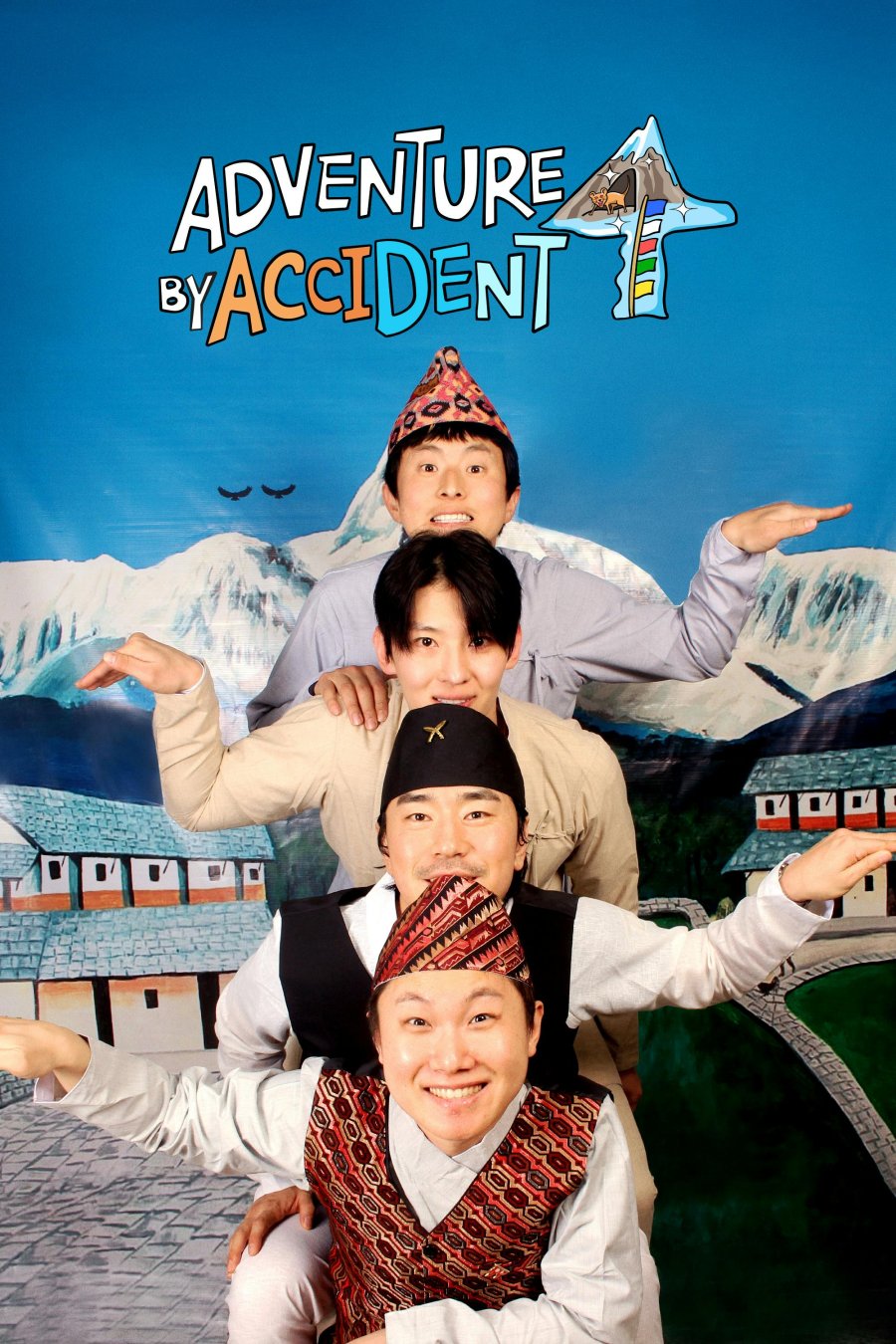
In the first episode, Kian84 arrives in Lukla, an airstrip known as the gateway to Everest, and is struck by local life. He meets two boys in their early twenties working as porters or guides. Though commonly labeled “Sherpas,” this term deserves nuance:
Ethnic Identity: Sherpa is the name of an indigenous Himalayan ethnic group, numbering roughly 250,637 persons or 1.1% of Nepal’s population, concentrated in Solukhumbu and nearby regions.
Occupational Identity: In mountaineering parlance, “Sherpa” often means any high‑altitude guide or porter, regardless of ethnicity a shift that can erase cultural meaning .
These two young men, likely from Sherpa or other mountain‑based communities, work as hard porters instead of attending university or pursuing urban jobs. They carry loads in extreme conditions to support families, a path far from the ordinary lives of 20‑year‑olds elsewhere.
During their trek, Kian84 offers a raw reflection: “From afar, it is a fairy tale; up close, it is a documentary.”
This line anchors the episode’s emotional arc. Snow‑white peaks may enchant tourists, but up close, one encounters broken infrastructure, economic struggle, and daily survival against nature’s harshness. This isn’t cynicism; it is unfiltered observation.
In a deeply emotional moment, Kian84 buys each boy a pair of sports shoes. In Lukla’s high‑altitude terrain, sturdy footwear is more precious than gold. For them, this gift carried symbolic and practical value: protection, dignity, and recognition. It became one of the most generous acts they had ever received.
From a tourist or viewer’s perspective, Nepal often appears to be a place lifted from the pages of a fantasy. The towering Himalayan peaks, draped in snow and prayer flags, offer a visual experience that is nothing short of breathtaking. Ancient monasteries perched along cliffs, the sound of temple bells echoing through misty valleys, and the spiritual rhythm of daily life contribute to a sense of otherworldliness.
This carefully curated image of Nepal is amplified by global media, adventure influencers, travel agencies, and trekking companies. International documentaries and commercial campaigns promote Nepal as a serene, mystical escape ideal for soul-searchers, climbers, and wanderers. For many, Nepal is marketed not just as a destination but as a transformative experience. But this fairy-tale image only tells part of the story. It is a surface narrative, crafted for comfort and consumption.
Once one steps beyond the mountain viewpoints and the glossy travel itineraries, a different reality emerges. In the high-altitude communities where trekking routes run deep, economic struggle is visible in daily life. Infrastructure is limited. Access to quality education and healthcare remains uneven. Life is expensive here; everything from basic food supplies to shoes has to be transported across rugged terrain, often by human effort.
For young porters and guides like the boys Kian84 met in Lukla, the risks are real and often underappreciated. These individuals carry immense physical loads for long hours at extreme altitudes. Their labor is critical to the tourism economy, yet they are rarely protected by labor rights or safety guarantees. Many do not have health insurance. Many are teenagers or barely in their twenties, working to support families in the absence of better alternatives.
The benefits of tourism are not equally shared. While foreign visitors enjoy the wonders of the Himalayas, locals do the heavy lifting literally and figuratively. Tour operators, airlines, and luxury lodges profit significantly, but local communities often receive only a small fraction of the returns. Even as development indicators show growth at the national level, the question remains whether these advances truly reach places like Solukhumbu or Gorkha, or Humla.
According to UNICEF and the Government of Nepal’s Education Management Information System, primary school attendance has improved nationwide, with a net rate of 97 percent. However, access to secondary and higher education still drops significantly in rural and mountain regions. Nearly half of the youth in these areas do not complete upper secondary school. Infrastructure gaps, long walking distances to schools, and financial pressures often push students into labor far too early.
Kian84’s simple gesture of buying a pair of sports shoes for the two boys became a deeply emotional moment in the episode. To many viewers, it was a touching act of kindness. But to those paying attention, it was also a quiet indictment. A single pair of shoes held more practical and emotional value than many of the state-sponsored development schemes.
In a region where basic supplies are scarce and wages are low, this gift was worth more than its market price. His reaction was not just personal; it reflected a broader collective discomfort.
Asking the Hard Questions
If Nepal’s development statistics suggest steady growth, why have the benefits failed to reach its most remote and vulnerable regions?
Why are foreign visitors who come here for a short-term vacation still finding themselves filling the role of basic service providers, building schools and clinics with their funds and labor? This is not a sustainable or equitable system. It is not something a country should grow comfortable with.
Yes, it is admirable that many international travelers are moved to give back, but it also points to a deeper failure and inability of national and international development frameworks to deliver consistent, accountable, and inclusive progress. Nepal receives a significant volume of foreign aid annually. According to the Ministry of Finance, international development assistance totaled over 1.8 billion US dollars in fiscal year 2022 to 2023. Yet many high-altitude communities still lack even the most basic services.
The question, then, is not whether Nepal is developing, but for whom. Are the numbers on charts enough if real people in real places remain excluded from change? And if fairy tales only reflect part of the story, how long will we continue to use them as substitutes for truth?
Kian84’s quote captures this divide with uncomfortable clarity. From afar, Nepal is magical. It inspires and uplifts. But up close, it is human. It is complex. It is beautiful and burdened at the same time. And perhaps that is what makes it worth not just visiting, but understanding.
Real development begins when we stop telling ourselves fairy tales and begin listening to the documentary unfolding in real time.
By Devasha Pant
(She is a student at the London School of Economics and Political Science, majoring in Human Rights and Politics and also an author and political analyst).




सम्बन्धित सामग्रीहरू

हाम्रो सिफारिस

- १
- २
- ३
- ४
- ५