

 17:05
|
17:05
|
 २१:५०
२१:५० Royal College faculty visit Nepal, discuss collaboration


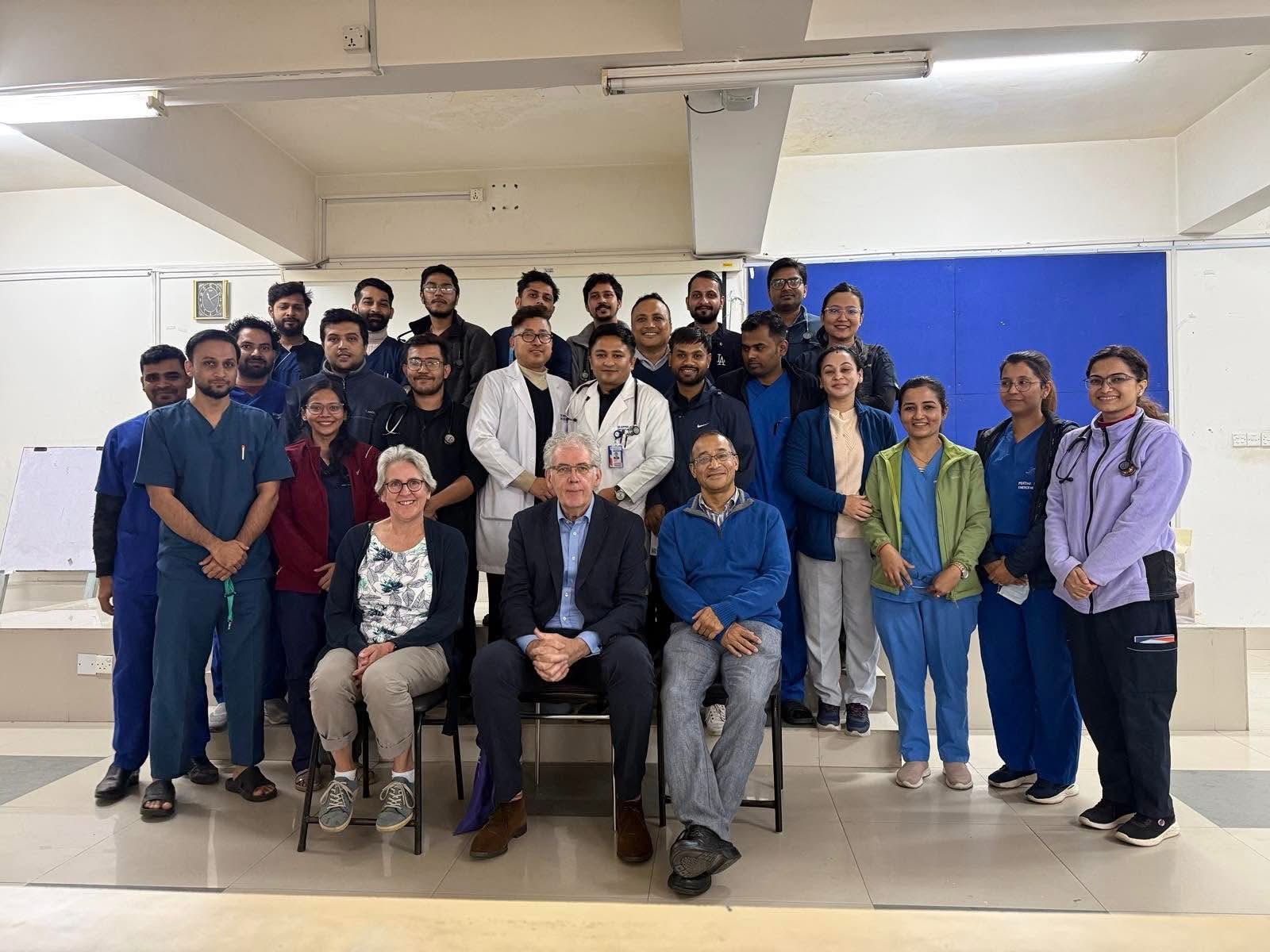
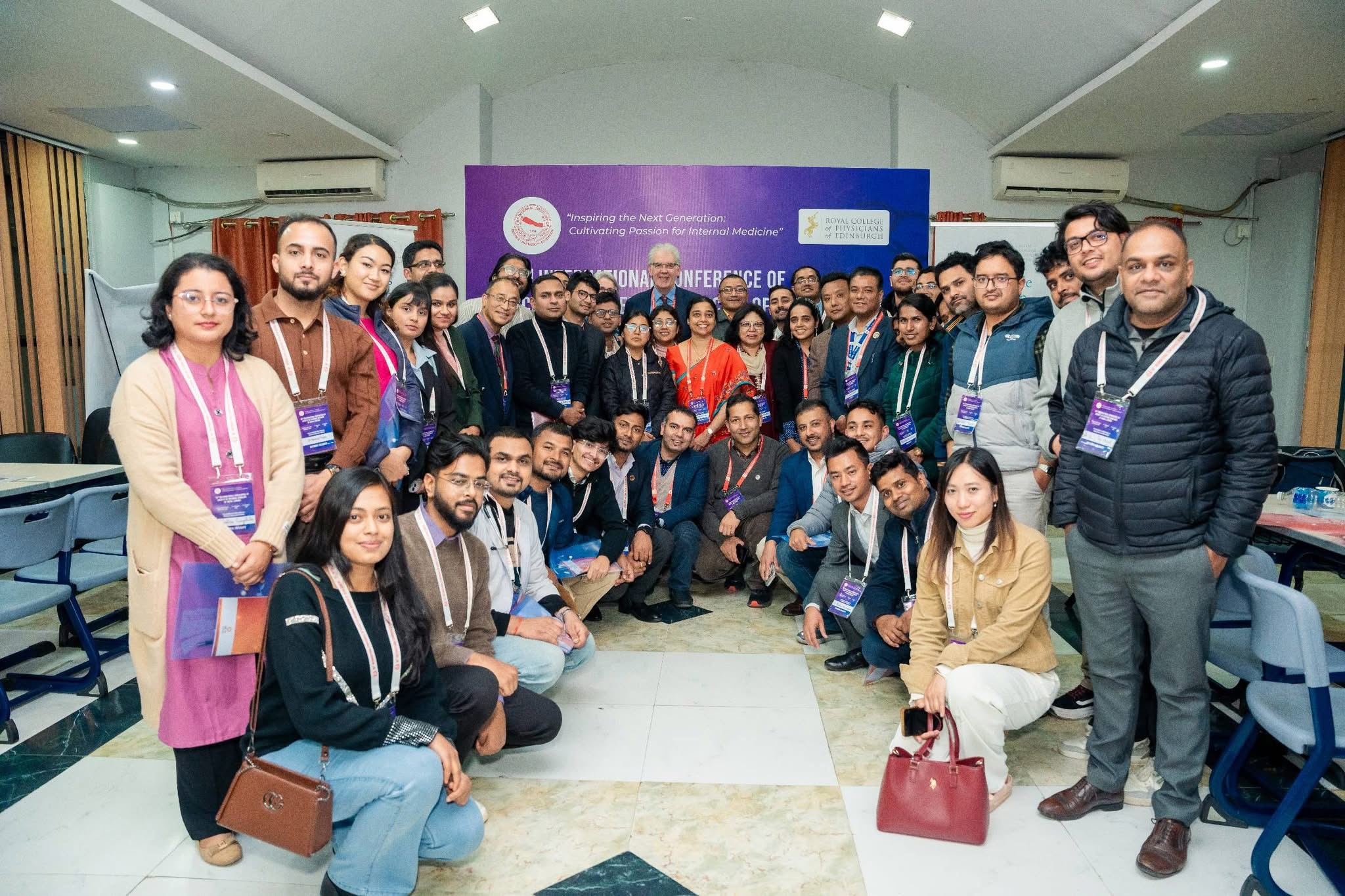
London – Professor Andrew Elder, President of the Royal College of Physicians of Edinburgh (RCPE), visited Nepal from 11th December to 18th December as part of a busy year of
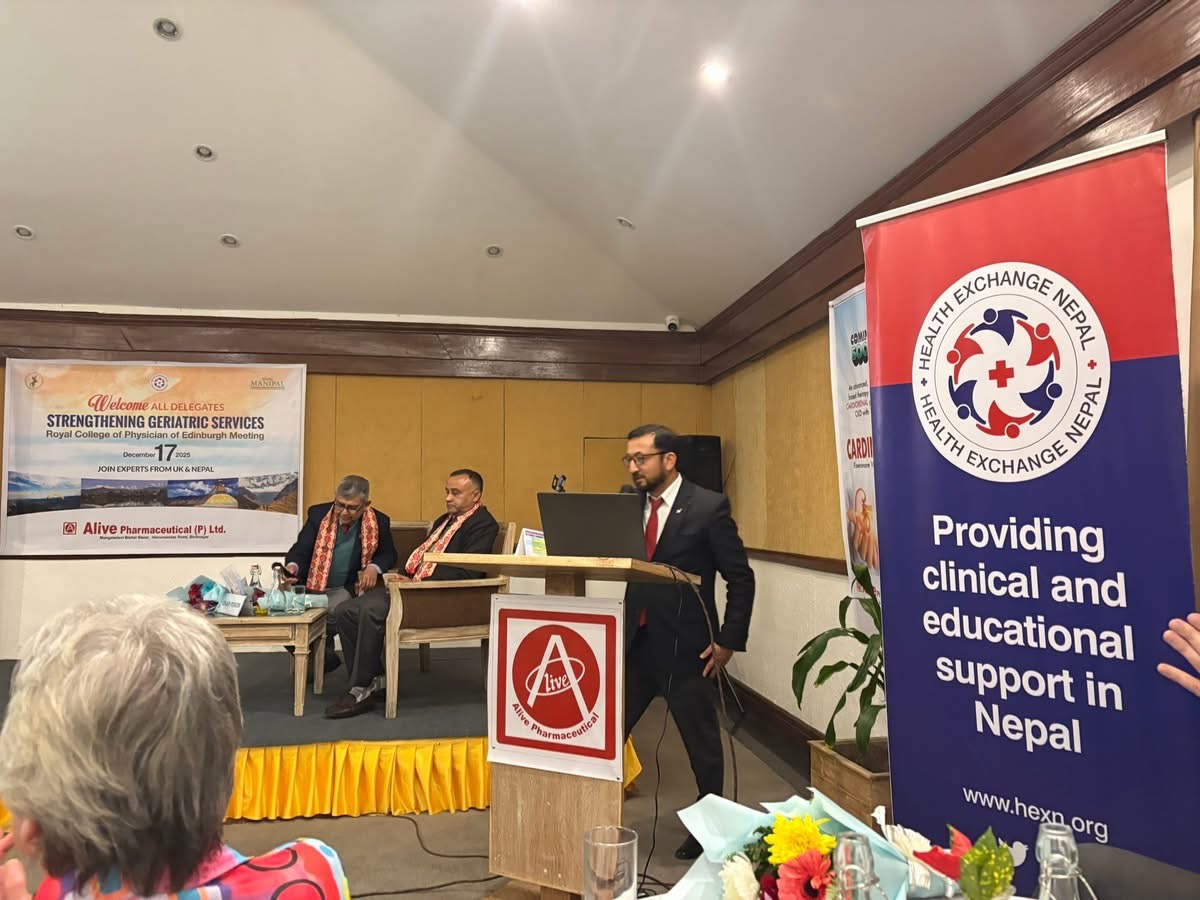
international engagement for the College. Guided by College Fellow Professor Satyan Rajbhandari, and supported by Health Exchange Nepal (HExN) – a UK- registered charity, Professor Elder led an
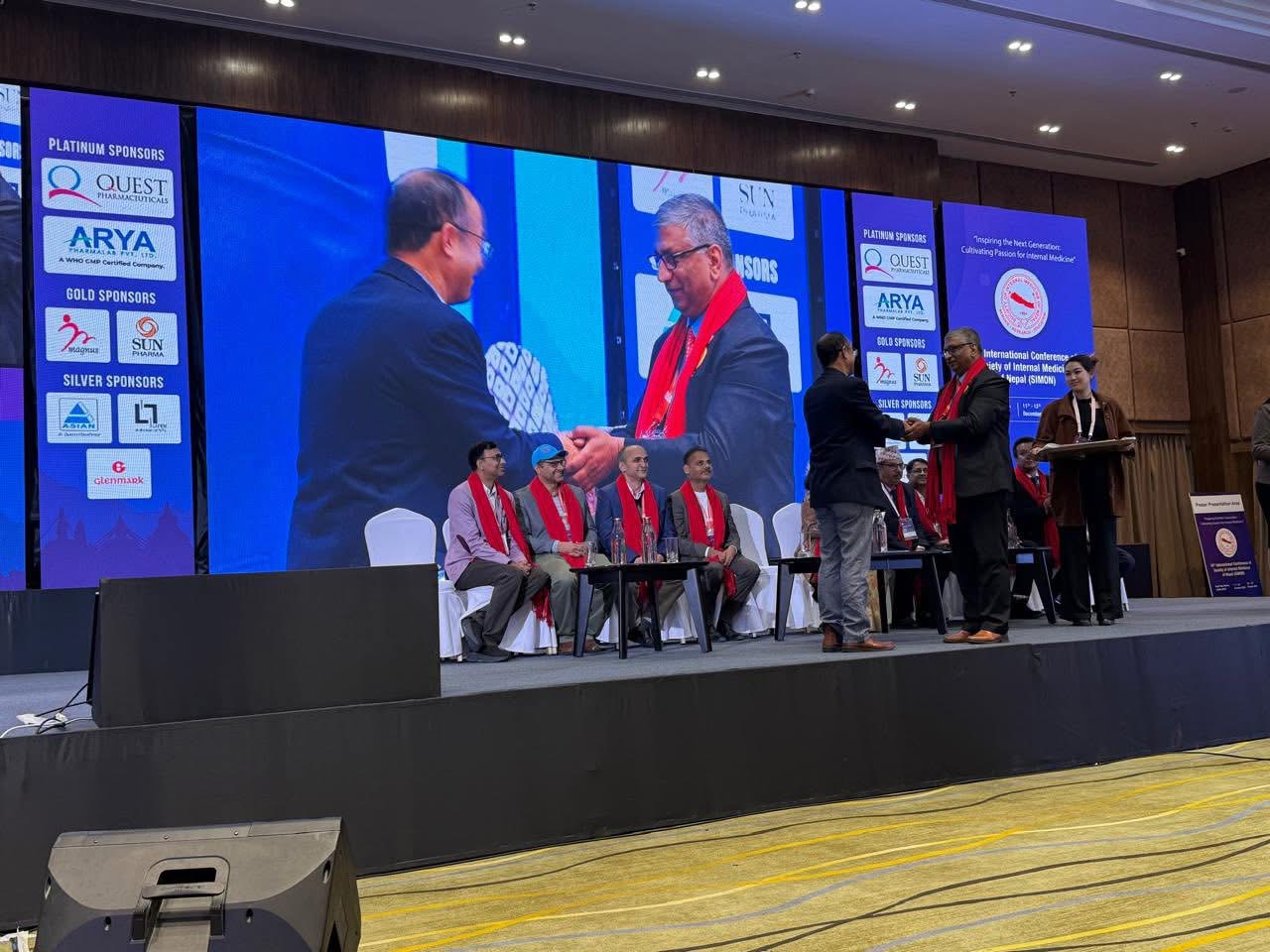
RCPE faculty delivering lectures across three major centres of medical education: the Society of Internal Medicine of Nepal (SIMON) in Kathmandu, Chitwan Medical
College (CMC) in Bharatpur, and Manipal Medical College in Pokhara.
Alongside his teaching commitments, Professor Elder met with senior leaders from a range of national organisations and held discussions with trainees in internal medicine, including a well‑received session with residents at CMC.
Prof Elder also met Vice- chancellor Prof Bhupendra Basnet and other office bearers of NAMS to discuss development of Fellowship Programme in Geriatrics, which has been recently started with the help of RCPE. He also met Medical Director and executives of both CMC and Pokhara Manipal.
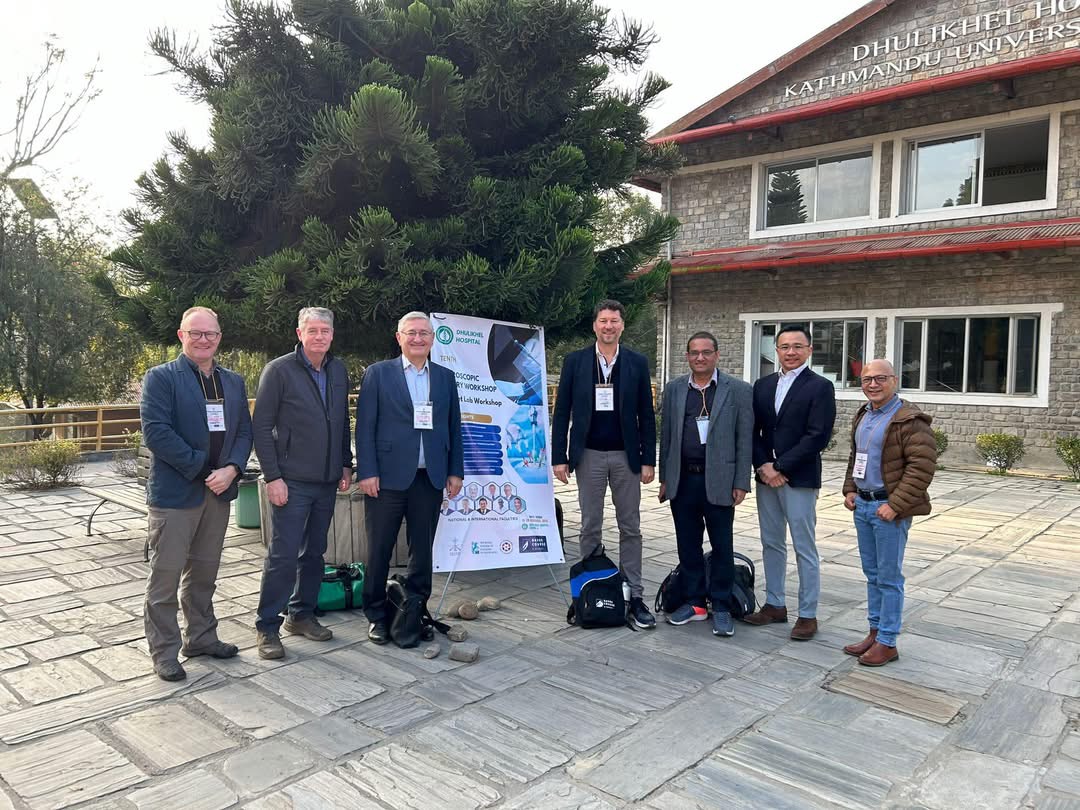
HExN was involved in planning Prof Elder’s visit to Nepal. Prof Rajbhandari, who is both the Council Member of Royal College and General Secretary of HExN, played a key role in linking Royal College to the doctors of Nepal and raise awareness of the importance of Geriatric services in Nepal.
“At present doctors are too specialised in the urban area of Nepal, where majority of people live. There are about 3 million people above the age of 60 years in Nepal. At that age people have many chronic conditions and treatment for one condition may affect other condition. Similarly, the treatment which is recommended for young is not always suitable or desirable for older population. His meeting raised the awareness of doctors to treat such people as an individual rather than disease,” said Prof Rajbhandari.
Nepal is experiencing rapid demographic change, with the proportion of older people rising quickly. In 2000, only 5 percent of Nepal’s population were over 60 years of age, which rose to 9.7 percent of the total population in 2025. By 2050, 16% of the population is expected to be over 60 years. “As the population is shrinking in Nepal, this will be a big economic burden and the government has to plan for this,” said Prof Rajbhandari.
Generally people above the age of 60 do not contribute to economy and the family or government has the responsibility of looking after them. The Government of Nepal has shown notable foresight in investing in services for ageing populations. In response, RCPE is supporting the development of geriatric medicine Fellowships and helping coordinate nurse training at Bir Hospital and the National Academy of Medical Sciences in Kathmandu.
Professor Elder expressed his gratitude to Dr Susan Pound, Professor Satyan Rajbhandari, and Dr Lasantha Ganewatta—a College Fellow and geriatrician from Sri Lanka—for serving as strong ambassadors for RCPE throughout the visit. He also noted his hope to expand next year’s visiting faculty to include specialties beyond medicine for older people.



सम्बन्धित सामग्रीहरू



हाम्रो सिफारिस



- १
- २
- ३
- ४
- ५